Find Bitcoin in Trash Mining years and the bin bag
From a loud Dell laptop in 2009 to a Newport tip in 2013.
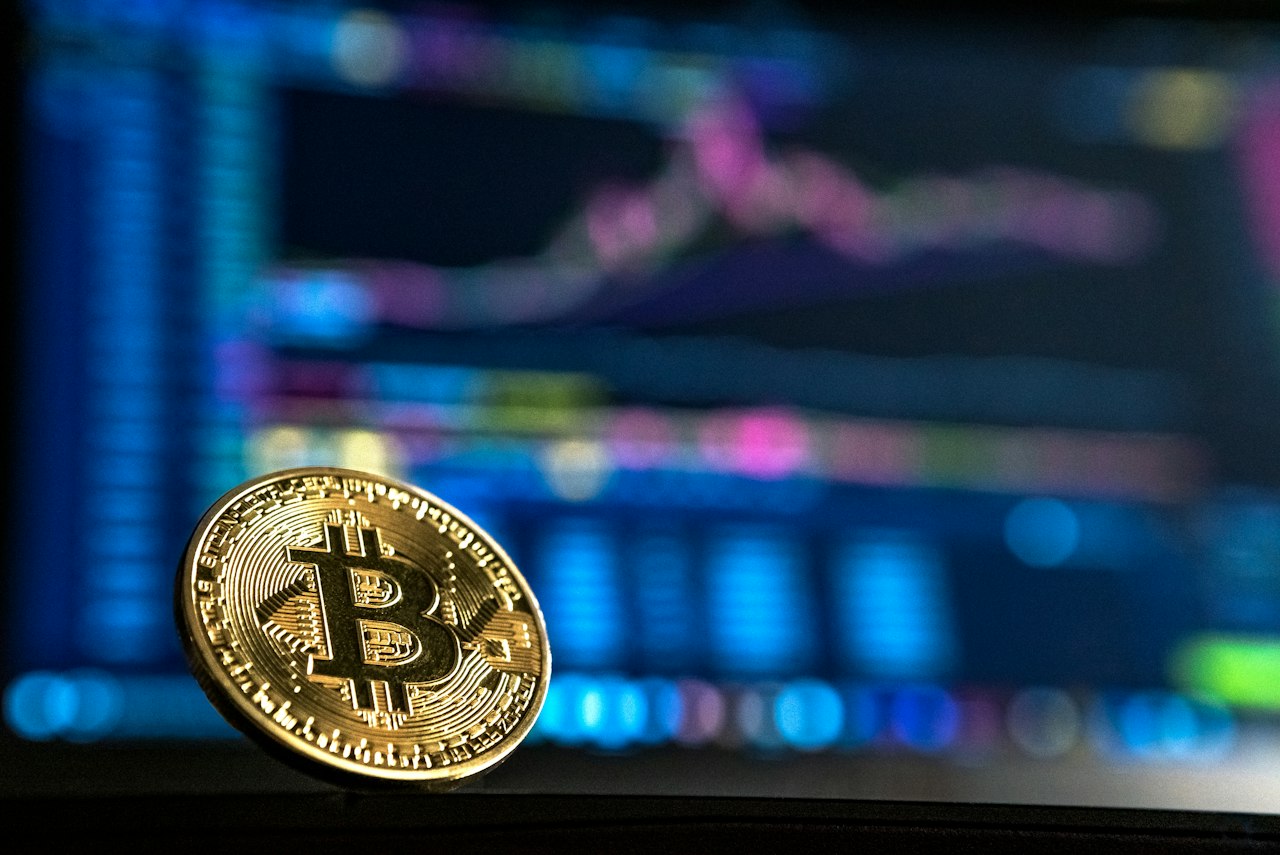
Early mining when difficulty was tiny
James Howells, a Welsh IT engineer in Newport, taught himself Bitcoin shortly after Satoshi Nakamoto’s 2008 white paper and the January 2009 network launch. On 15 February 2009, according to later profiles, he began mining on a Dell XPS laptop — an era when ordinary home CPUs could still find blocks. He has described intermittent overnight sessions that overheated the machine while accumulating a large early balance.
Contemporary storytelling sometimes rounds that balance to 7,500 BTC; later interviews and court-era coverage more often say 8,000. This archive records both traditions rather than forcing a single marketing number. What matters for the loss narrative is that the private keys lived on local storage long before hardware wallets were common.
Howells later damaged the laptop, dismantled it, and kept the drive. The device also held ordinary personal files. In an age before ubiquitous exchange custody, “the coins” and “the drive” were effectively the same object.
Summer 2013 clear-out
Between roughly 20 June and 10 August 2013 — windows cited across Guardian, Wired, and Wikipedia’s sourced summary — Howells cleared old IT gear. He has said he mistook the Bitcoin drive for a blank one and placed it in a rubbish bag. Reporting has named his then-partner as the person who took household waste to the tip; she has denied fault, and Howells has given interviews that both assign and soften blame. This site treats that household dispute as contested.
The destination was Docksway (Docks Way) landfill in Newport. Within months, Bitcoin’s price spiked through hundreds of dollars. Around late October 2013 Howells realised the wrong drive was gone. By November, BBC and international outlets were on site with him, staring at a landscape of compacted cells. Early comments captured his despair: the area looked impossibly large.
First media wave
BBC News filmed Howells at the tip when the fortune was described in the low millions of pounds — already life-changing, nowhere near later hundred-million headlines. The segment remains one of the clearest primary audiovisual records of the discovery moment. Watch it mid-article above, then continue here for context the camera could not show: waste ownership rules, cell deposit timing, and the decade of refusals still ahead.
Council voices even in 2013 stressed that a hard drive under thousands of cubic metres of waste was not a practical retrieval target. Howells’s own first reaction, later quoted in profiles, was that he had “no chance.” That fatalism would not last.
What this era establishes
- Custody lesson — early Bitcoin rewards stored on a single spinning disk with no resilient backup.
- Geography — Docksway becomes the immovable stage; see Docksway landfill.
- Numbers in flux — 7,500 vs 8,000 appears already in the historical record’s seams.
- Publicness — once BBC arrives, the story can never return to a private mistake.
Continue to 2014–2024: Search campaign for the long middle chapter, or jump to the hard drive evidence file. For a single narrative pass, open what happened. People context: James Howells.
Why this era still controls later myths
Everything after 2013 — AI dig decks, High Court filings, solar tenders — still depends on the disposal story told here. Keep Cell 2’s August–November window labelled as reconstruction, keep dual coin totals (about 7,500 early; 8,000 later), and keep keys conceptually separate from coins via Keys not on the drive. When readers jump from a 2025 headline backward, send them through What happened and The hard drive before they invent physical bitcoin bars under 2013 rubbish.
Sources for this era
BBC (Nov 2013), Guardian (Hern, Nov 2013), NBC and other wires, later Wired and New Yorker profiles that revisit the mining years. Cross-check dates on the Documents Hub and Sources page.
Frequently Asked Questions
Quick answers drawn from court records and reporting.
When did Howells start mining?
Public profiles commonly cite 15 February 2009 on a home laptop during Bitcoin’s earliest CPU-mining window.
When was the drive thrown away?
Sources place disposal between late June and mid-August 2013, with court materials sometimes specifying an early-August clear-out day.