Find Bitcoin in Trash The missing hard drive
A small disk, a bin bag, and a mountain of compacted waste.
What Howells says the object is
Across interviews spanning a decade, James Howells describes a 2.5-inch-class laptop hard drive that survived the death of an early mining machine. After the laptop failed, he kept the drive in a drawer. On it, he says, lived the private-key material — often discussed publicly as a wallet.dat-era file — controlling a large early Bitcoin balance.
The drive is ordinary industrial design: platters, heads, firmware. Nothing about its silhouette screams fortune. That banality is the story’s cruel engine. During a 2013 clear-out he mixed it up with a blank drive destined for disposal.
Chain of custody into Docksway
Household rubbish went to Docksway landfill in Newport. Howells has reconstructed timing with waste records and former site knowledge, arguing the drive likely sits in Cell 2 deposits from the August–November 2013 window. Early press walked the tip with him when cover depths were described in feet; later estimates speak of enormous tonnages overhead as cells were filled and capped.
No journalist has held the drive. No council excavation has produced it. The physical exhibit remains an alleged object constrained inside a regulated waste mass.
Survival debate
Optimistic case (Howells and some data-recovery voices). Protective casing; cobalt layers on platters; chances improve if the disk was not shattered by compaction; specialist labs have resurrected media from harsh environments; funded sorting could isolate candidates without boiling the entire tip.
Pessimistic case (council and waste experts). Continuous compaction, biological heat, methane and other gases, toxic leachate, moisture, and time measured in years. Adjacent asbestos risk complicates any open dig. Even a narrowed cell can contain the mass equivalent of absurd numbers of drives. “Needle in a haystack” remains the governing metaphor despite AI marketing.
Neither case was fully tried as science in the High Court; Ownership and statute ended the compulsory path first.
Why the drive is not the coins
Bitcoin exists as ledger entries. The drive matters only as the presumed unique home of keys that can sign transactions. If keys were backed up elsewhere, the tip would be irrelevant. Howells’s public position is that they were not. See Wallet and blockchain.
Evidence discipline on this archive
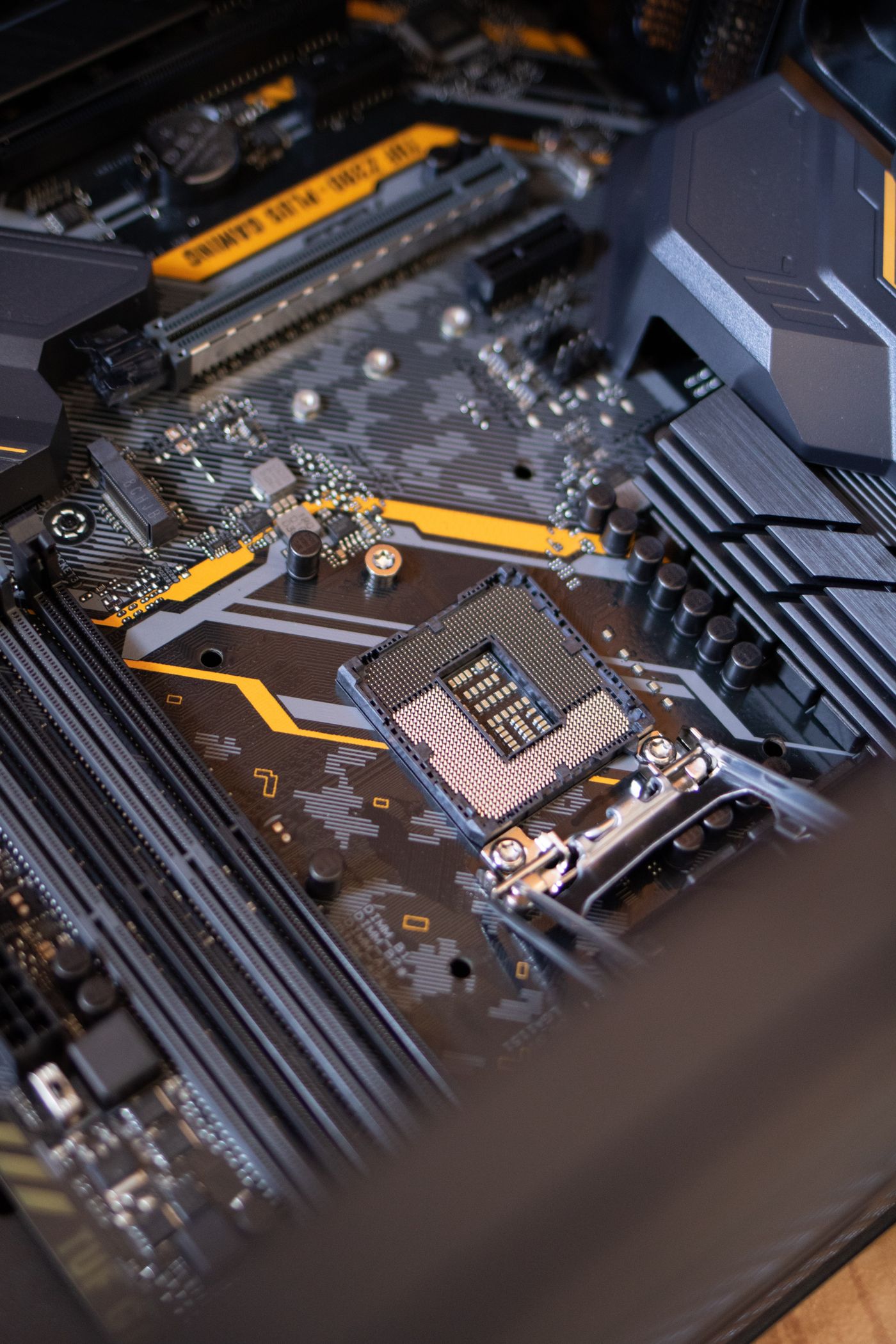
We do not publish fabricated serial numbers, mock photos labelled as “the” drive, or invented lab reports. Images on this page are illustrative hardware and waste-context photography, not authenticated exhibits from Cell 2.
Related files
Practical custody moral
Label backups. Use redundant key storage. Never put a unique seed or wallet file in an unmarked disk beside blank media. The Find Bitcoin in Trash archive exists because one household chore collided with irreversible waste law.
How the drive shaped the decade of pitches
Every recovery slide deck started from the same physical premise: isolate a laptop HDD from Cell 2 waste, image it, mount wallet material, move coins. That is why 2021 percentage offers, 2022 AI arms and robot-dog security concepts, and later purchase talk all orbit one unmarked object rather than a vault of gold. When Newport Council refused, it refused disturbance of a regulated cell — not a debate about whether Bitcoin exists on a ledger. When Judge Keyser KC struck out Howells v Newport City Council in January 2025, the court could leave platter science untried because ownership of tipped waste and limitation already blocked compulsory access. See Recovery plan and High Court 2025.
After August 2025 abandonment statements, the drive did not suddenly appear; the narrative shifted toward Ceiniog Coin while Docksway faced closure and solar reporting. The object remains alleged, unextracted, and legally unreachable by the path Howells preferred.
Closing
Until someone lawfully extracts and images the correct platter, the hard drive remains Schrödinger’s SSD of crypto folklore: invaluable if real and intact, worthless as a recovery path if crushed, corroded, or mis-located. Courtrooms chose not to dig to find out.
Frequently Asked Questions
Quick answers drawn from court records and reporting.
Has the drive been photographed in the landfill?
No verified recovery photo exists in public reporting. Coverage shows the tip landscape, not an extracted exhibit.
What size is the drive?
Howells and court-facing summaries describe a small laptop hard drive, on the order of a 2.5-inch device.
Could data survive?
Howells has claimed high odds if the platter is intact; waste experts emphasise a hostile chemical and mechanical environment. It remains untested in situ.
Why Cell 2 specifically?
Howells and former site contacts have associated Cell 2 with deposits from roughly August–November 2013 — the window when the drive allegedly arrived at Docksway. See Docksway landfill.
Is the drive the same as the Bitcoin?
No. Coins are ledger entries. The drive matters only as the presumed home of private keys. Details: Wallet and blockchain.